
We use plastic cards every single day—from debit cards and membership passes to gift cards and ID badges. Most people handle these sturdy, smooth plastic cards daily but never stop to wonder: how are plastic cards made, and how are PVC plastic cards manufactured for commercial daily use?
Unlike simple plastic trinkets, premium plastic cards require precise industrial processes, strict quality control, and multi-layer construction to deliver durability, scratch resistance, and consistent performance. In this practical guide, we’ll break down the entire manufacturing journey of standard plastic cards in plain, easy-to-follow steps, covering everything from raw material selection to finished personalized plastic card products, including how manufacturers handlecustom plastic cards printed for branded and personalized orders.
What Core Materials Are Used to Make Plastic Cards?
Before diving into production steps, it’s important to know the foundation of all commercial plastic cards. The vast majority of durable, everyday plastic cards rely on high-quality PVC (Polyvinyl Chloride) as the primary manufacturing material. This is because PVC offers unmatched flexibility, rigidity, water resistance, and print compatibility—perfect for crafting long-lasting plastic cards for daily and commercial use, which answers why PVC dominates when people search how are PVC plastic cards manufactured.
Standard plastic cards adopt a classic three-layer structure: a thick PVC core sheet sandwiched between two thin clear PVC overlay films. This layered design is what makes custom plastic cards sturdy yet bendable, preventing easy cracking, peeling or fading over time. For high-security plastic cards like banking and government ID cards, manufacturers also integrate specialized materials such as chip modules, copper antenna coils, and anti-counterfeiting hologram films to boost functionality and safety. Many users also ask how do you make durable plastic ID cards, and the secret lies in this reinforced multi-layer PVC structure.
Step 1: Raw Material Preparation and Sheet Extrusion
The production process for high-grade plastic cards starts with refining raw PVC resin. Manufacturers mix pure PVC powder with stable industrial stabilizers, softeners, and color additives to create a uniform, high-purity compound. This mixture is then heated and extruded through professional industrial equipment to form large, flat PVC sheets with precise, consistent thickness— the fundamental base for all finished plastic cards.
After extrusion, the sheets go through a rigorous calendering process with precision rollers. This step smooths out surface imperfections, evens out thickness across the entire sheet, and ensures a flawless base for subsequent printing and lamination. Only fully qualified PVC core and overlay sheets move on to the next stage of plastic cards manufacturing, a key step for anyone learning how are PVC plastic cards manufactured for long-term durability.
Step 2: Digital Design and Precision Printing
Once the PVC sheets are fully prepared, it’s time to add custom designs, logos, brand text, and graphic elements to blank plastic cards. Manufacturers first finalize accurate digital templates matching the universal ID-1 card size (85.6 × 54 mm), the standard dimension for all mainstream commercial plastic cards globally.
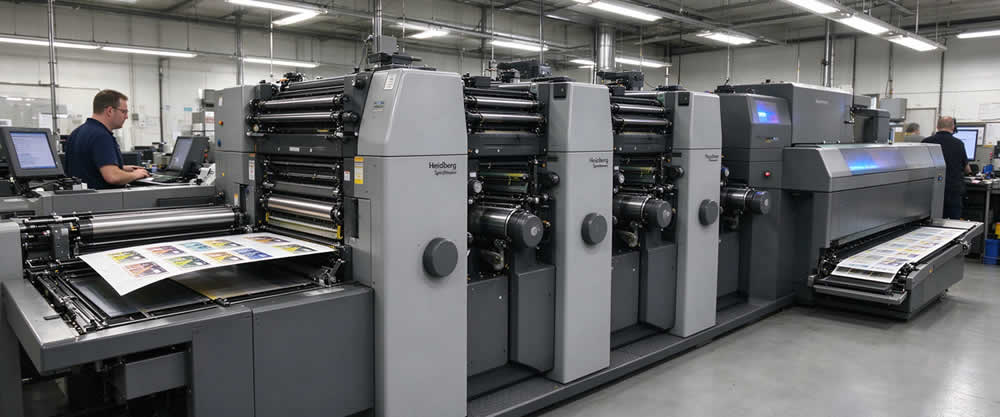
Two primary printing methods are used to customize plastic cards, selected based on order quantity and design complexity. Offset printing is ideal for bulk plastic cards production, delivering vibrant, uniform colors and ultra-fine detail for large-scale orders. Digital printing works better for small-batch and fully customized plastic cards, supporting variable data like unique names, serial numbers, and dynamic QR codes without expensive plate-making fees. This is exactly how factories get custom plastic cards printed with crisp, consistent, and personalized results. Screen printing and UV printing are also widely applied to add special textures, glossy finishes, and metallic effects to premium plastic cards.
Step 3: High-Pressure Thermal Lamination
Lamination is the most critical manufacturing step that directly determines the lifespan and durability of plastic cards. After printing, the patterned PVC core sheet is paired with two clear protective overlay films, forming a tight, symmetrical “sandwich” structure essential for robust plastic cards.
The stacked sheet assembly is then placed in a professional thermostatic laminating press. The lamination process runs under controlled high temperature (around 300°F / 150°C) and stable hydraulic pressure for roughly 20 minutes. This balanced heat and pressure fuse the three layers tightly together, eliminating gaps and air bubbles that could damage plastic cards long-term. Post lamination, the sheets are transferred to a dedicated cooling station for another 20 minutes to permanently set the layered structure. Proper lamination is the core answer to how do you make durable plastic ID cards that resist daily wear, water damage, and scratches for years.
Step 4: Precision Punching for Standard Card Sizes
After full cooling, the large laminated PVC sheets remain in bulk sheet form. The next key step is cutting these oversized sheets into individual, standard-sized plastic cards. Manufacturers utilize high-precision automatic punching presses and hydraulic cutters for consistent, accurate results every time.
Every punch strictly complies with international ID-1 size standards, ensuring uniform dimensions and smooth, burr-free edges for every single plastic card produced. Precision cutting is non-negotiable here—irregular edges or minor size deviations will render plastic cards unfit for standard card readers, vending machines, and everyday card slots.
Step 5: Personalization and Functional Upgrades
Plain blank plastic cards transform into functional, unique products through professional personalization processing. This stage is tailored entirely to the intended purpose of the finished plastic cards, with common upgrades including:
- Variable data coding: Emboss custom serial numbers, encode magnetic stripe data, or print unique QR codes and barcodes for membership plastic cards, loyalty cards, and facility access cards.
- Smart component installation: Implant contact chips and wind precision copper antennas for RFID and NFC plastic cards, enabling contactless payment, smart access control, and digital verification functions.
- Security and decorative finishing: Add hot-stamped gold and silver edges, permanent laser engraving, scratch-off layers, signature strips, and anti-counterfeiting holograms to enhance the value, security, and aesthetics of premium plastic cards.
Step 6: Quality Inspection and Final Packaging
Before final delivery, every batch of manufactured plastic cards undergoes strict multi-round quality inspection. Automated precision machines and manual quality control teams check for printing errors, lamination bubbles, edge defects, and functional failures such as unreadable magnetic stripes or faulty chip modules. All substandard plastic cards are eliminated directly to guarantee consistent product quality for end users.
Fully qualified plastic cards are professionally cleaned, sorted, and packed in dust-proof, anti-static packaging to prevent scratches, dust buildup, and static damage during storage and transportation. This final quality safeguard ensures customers receive flawless, high-performance plastic cards ready for immediate use.
Why Modern Plastic Cards Outperform Traditional Versions
If you compare today’s engineered plastic cards with early plastic card products, the performance gap is extremely noticeable. Modern manufacturing technology optimizes every detail of commercial plastic cards: upgraded lamination techniques eliminate layer peeling issues, precision digital printing vastly improves color accuracy and clarity for custom plastic cards printed orders, and integrated smart components make modern plastic cards far more functional than traditional alternatives. These continuous manufacturing advancements explain why plastic cards remain the most reliable, cost-effective card medium for commercial, financial, and public service applications worldwide.
Final Thoughts
At first glance, everyday plastic cards look like simple, thin pieces of molded plastic. But as we’ve explored in this guide, crafting high-quality, durable plastic cards is a meticulous, multi-step industrial process that blends material science, precision printing, thermal engineering, and custom smart customization. Whether you’re curious about how are PVC plastic cards manufactured, researching how do you make durable plastic ID cards, or sourcing suppliers for custom plastic cards printed in bulk, every manufacturing step is carefully calibrated to produce plastic cards that are durable, visually consistent, fully functional, and secure.
From initial PVC sheet extrusion to final quality verification, every manufacturing step is carefully calibrated to produce plastic cards that are durable, visually consistent, fully functional, and secure. Next time you pick up your bank card, membership pass, or ID badge, you’ll have a clear understanding of how these essential everyday plastic cards are professionally made.